


- Retrait en 2 heures
- Assortiment impressionnant
- Paiement sécurisé
- Toujours un magasin près de chez vous
- Retrait gratuit dans votre magasin Club
- 7.000.0000 titres dans notre catalogue
- Payer en toute sécurité
- Toujours un magasin près de chez vous



Description
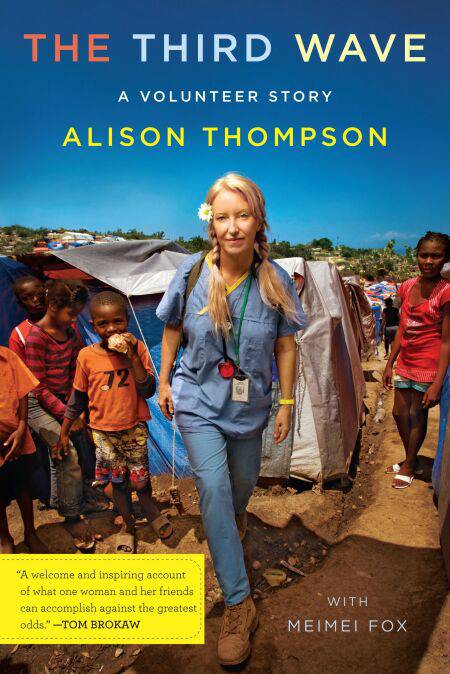
Alison Thompson, a filmmaker living in New York City, was enjoying Christmas with her boyfriend in 2004 when she saw the news reports online: a 9.3 magnitude earthquake had struck the sea near Indonesia, triggering a massive tsunami that hit much of southern Asia. As she watched the death toll climb, Thompson had one thought: She had to go help. A few years earlier, she had spent eight months volunteering at Ground Zero after 9/11. She’d learned then that when disaster strikes, it’s not just the firemen and Red Cross who are needed—every single person can make a difference.
With $300 in cash, some basic medical supplies, and a vague idea that she’d go wherever she was needed, Thompson headed to Sri Lanka. Along with a small team of volunteers, she settled in a coastal town that had been hit especially hard and began tending to people’s injuries, giving out food and water, playing games with the children, collecting dead bodies, and helping rebuild the local school and homes that had been destroyed. Thompson had intended to stay for two weeks; she ended up staying for fourteen months. She and her team helped start new businesses and set up the first tsunami early-warning center in Sri Lanka, which continues to save lives today.
The Third Wave tells the inspiring story of how volunteering changed Thompson’s life. It begins with her first real introduction to disaster relief after 9/11 and ends with her more recent efforts in Haiti, where she has helped create and run, with Sean Penn, an internally-displaced-person camp and field hospital for more than 65,000 Haitians who lost their homes in the 2010 earthquake. In The Third Wave, Thompson provides an invaluable inside glimpse into what really happens on the ground after a disaster—and a road map for what anyone can do to help. As Alison Thompson shows, with some resilience, a healthy sense of humor, and the desire to make a difference, we all have what it takes to change the world for the better.
With $300 in cash, some basic medical supplies, and a vague idea that she’d go wherever she was needed, Thompson headed to Sri Lanka. Along with a small team of volunteers, she settled in a coastal town that had been hit especially hard and began tending to people’s injuries, giving out food and water, playing games with the children, collecting dead bodies, and helping rebuild the local school and homes that had been destroyed. Thompson had intended to stay for two weeks; she ended up staying for fourteen months. She and her team helped start new businesses and set up the first tsunami early-warning center in Sri Lanka, which continues to save lives today.
The Third Wave tells the inspiring story of how volunteering changed Thompson’s life. It begins with her first real introduction to disaster relief after 9/11 and ends with her more recent efforts in Haiti, where she has helped create and run, with Sean Penn, an internally-displaced-person camp and field hospital for more than 65,000 Haitians who lost their homes in the 2010 earthquake. In The Third Wave, Thompson provides an invaluable inside glimpse into what really happens on the ground after a disaster—and a road map for what anyone can do to help. As Alison Thompson shows, with some resilience, a healthy sense of humor, and the desire to make a difference, we all have what it takes to change the world for the better.
Spécifications
Parties prenantes
- Auteur(s) :
- Editeur:
Contenu
- Nombre de pages :
- 240
- Langue:
- Anglais
Caractéristiques
- EAN:
- 9780679604921
- Date de parution :
- 11-07-11
- Format:
- Ebook
- Protection digitale:
- Adobe DRM
- Format numérique:
- ePub



Seulement chez Librairie Club
+ 17 points sur votre carte client de Librairie Club
Cadeau

Cadeau


Les avis
Nous publions uniquement les avis qui respectent les conditions requises. Consultez nos conditions pour les avis.