


- Retrait en 2 heures
- Assortiment impressionnant
- Paiement sécurisé
- Toujours un magasin près de chez vous
- Retrait en 2 heures
- Assortiment impressionnant
- Paiement sécurisé
- Toujours un magasin près de chez vous



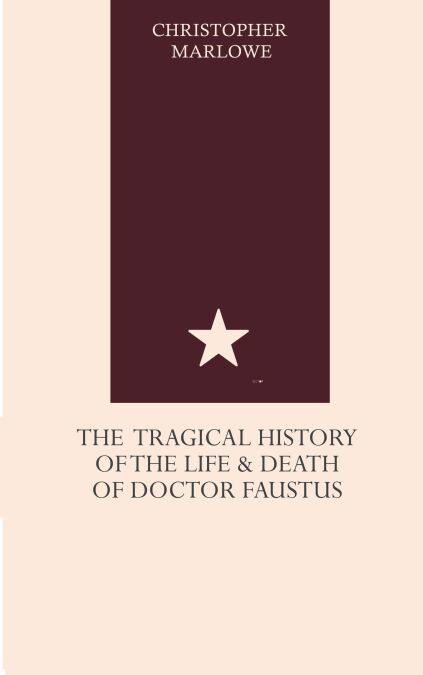
The Tragical History of the Life and Death of Doctor Faustus EBOOK
Christopher Marlowe
Ebook | Anglais
0,49 €
Description
Christopher Marlowe's The Tragical History of the Life and Death of Doctor Faustus is one of the most powerful and enduring works of Elizabethan drama, a haunting exploration of ambition, knowledge, and the cost of overreaching desire. Blending tragedy, philosophy, and dark spectacle, the play tells the story of a man who dares to challenge the limits of human potential—with devastating consequences.
At the center of the drama is Doctor Faustus, a brilliant scholar dissatisfied with the boundaries of traditional learning. Driven by an insatiable hunger for power and ultimate knowledge, he turns to forbidden practices and makes a fateful pact with demonic forces, trading his soul for a set number of years filled with limitless abilities and worldly pleasures. What begins as a triumphant ascent soon reveals itself as a tragic descent, as Faustus becomes increasingly aware of the true cost of his bargain.
Throughout the play, Faustus is torn between repentance and despair, guided and tempted by opposing forces that represent his inner moral struggle. Marlowe masterfully portrays the complexity of Faustus's character—his brilliance, arrogance, doubt, and fear—creating a deeply human figure whose choices resonate with universal themes of temptation, free will, and redemption.
The play is rich in poetic language, dramatic imagery, and philosophical depth. Marlowe explores the Renaissance spirit of inquiry alongside the dangers of hubris, raising timeless questions about the pursuit of knowledge and the limits of human ambition. The presence of supernatural elements adds both spectacle and symbolic weight, enhancing the play's exploration of morality and consequence.
Doctor Faustus remains a cornerstone of English literature and theatre, celebrated for its emotional intensity, intellectual richness, and enduring relevance. It is a compelling and cautionary tale of aspiration and downfall, offering readers a profound reflection on the price of ambition and the eternal struggle between desire and conscience.
At the center of the drama is Doctor Faustus, a brilliant scholar dissatisfied with the boundaries of traditional learning. Driven by an insatiable hunger for power and ultimate knowledge, he turns to forbidden practices and makes a fateful pact with demonic forces, trading his soul for a set number of years filled with limitless abilities and worldly pleasures. What begins as a triumphant ascent soon reveals itself as a tragic descent, as Faustus becomes increasingly aware of the true cost of his bargain.
Throughout the play, Faustus is torn between repentance and despair, guided and tempted by opposing forces that represent his inner moral struggle. Marlowe masterfully portrays the complexity of Faustus's character—his brilliance, arrogance, doubt, and fear—creating a deeply human figure whose choices resonate with universal themes of temptation, free will, and redemption.
The play is rich in poetic language, dramatic imagery, and philosophical depth. Marlowe explores the Renaissance spirit of inquiry alongside the dangers of hubris, raising timeless questions about the pursuit of knowledge and the limits of human ambition. The presence of supernatural elements adds both spectacle and symbolic weight, enhancing the play's exploration of morality and consequence.
Doctor Faustus remains a cornerstone of English literature and theatre, celebrated for its emotional intensity, intellectual richness, and enduring relevance. It is a compelling and cautionary tale of aspiration and downfall, offering readers a profound reflection on the price of ambition and the eternal struggle between desire and conscience.
Spécifications
Parties prenantes
- Auteur(s) :
- Editeur:
Contenu
- Nombre de pages :
- 62
- Langue:
- Anglais
Caractéristiques
- EAN:
- 9782095774714
- Date de parution :
- 28-03-26
- Format:
- Ebook
- Protection digitale:
- Digital watermarking
- Format numérique:
- ePub



Seulement chez Librairie Club
Cadeau


Les avis
Nous publions uniquement les avis qui respectent les conditions requises. Consultez nos conditions pour les avis.