


- Retrait en 2 heures
- Assortiment impressionnant
- Paiement sécurisé
- Toujours un magasin près de chez vous
- Retrait en 2 heures
- Assortiment impressionnant
- Paiement sécurisé
- Toujours un magasin près de chez vous



44,45 €
+ 88 points
Format
Description
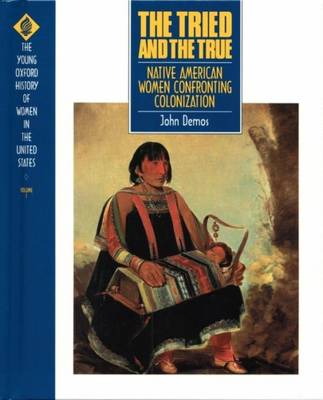
The first of the women we now call Native American were among the prehistoric nomads who crossed a land bridge between Asia and North America 40,000 years ago. Over centuries, these humans formed larger bands, and eventually farming villages and even larger units, the seeds of the many tribes and nations that we call Indians or Native Americans.
In most of these cultures, women held positions of honor in the community. John Demos looks at four Native American groups--the Puebloans of the North American Southwest, the Iroquois of the Northeast woodlands, the fur-trading tribes of the central Great Lakes region, and the Cherokees of the interior Southeast--and explores the possibilities open to women and how colonization by Europeans forever changed their lives.
In many Indian tribes, property passed through the female line, from mothers to daughters to granddaughters, giving women considerable power and influence through the link to their clan. Women often held the primary responsibility for farming, craft production, and even house construction or boat building. Behind this broad array of roles and duties lay a fundamental respect for women as women. In startling contrast to the premodern European view, Native American cultures supported a balanced view of the sexes. Men were considered superior in some ways, women in others, and both were necessary to the survival of the group.
Contact with European explorers and missionaries, the effects of the American Revolution, and the new United States government's policies toward Native American cultures irrevocably transformed every tribe. As a result Native American culture declined and women in particular lost opportunities, influence, and status that had formerly belong to them.
But The Tried and the True is not only a story of decline. John Demos looks at the full range of Native American women's experiences and finds that words like adaptation, recovery, and survival also apply. These first American women laid the foundation for future generations and began a struggle for equality and respect that continues today.
In most of these cultures, women held positions of honor in the community. John Demos looks at four Native American groups--the Puebloans of the North American Southwest, the Iroquois of the Northeast woodlands, the fur-trading tribes of the central Great Lakes region, and the Cherokees of the interior Southeast--and explores the possibilities open to women and how colonization by Europeans forever changed their lives.
In many Indian tribes, property passed through the female line, from mothers to daughters to granddaughters, giving women considerable power and influence through the link to their clan. Women often held the primary responsibility for farming, craft production, and even house construction or boat building. Behind this broad array of roles and duties lay a fundamental respect for women as women. In startling contrast to the premodern European view, Native American cultures supported a balanced view of the sexes. Men were considered superior in some ways, women in others, and both were necessary to the survival of the group.
Contact with European explorers and missionaries, the effects of the American Revolution, and the new United States government's policies toward Native American cultures irrevocably transformed every tribe. As a result Native American culture declined and women in particular lost opportunities, influence, and status that had formerly belong to them.
But The Tried and the True is not only a story of decline. John Demos looks at the full range of Native American women's experiences and finds that words like adaptation, recovery, and survival also apply. These first American women laid the foundation for future generations and began a struggle for equality and respect that continues today.
Spécifications
Parties prenantes
- Auteur(s) :
- Editeur:
Contenu
- Nombre de pages :
- 112
- Langue:
- Anglais
- Collection :
- Tome:
- n° 1
Caractéristiques
- EAN:
- 9780195081428
- Date de parution :
- 15-06-95
- Format:
- Livre relié
- Format numérique:
- Genaaid
- Dimensions :
- 199 mm x 243 mm
- Poids :
- 444 g


Seulement chez Librairie Club
+ 88 points sur votre carte client de Librairie Club
Cadeau


Les avis
Nous publions uniquement les avis qui respectent les conditions requises. Consultez nos conditions pour les avis.