


En raison d'une grève chez bpost, des retards de livraison peuvent survenir. Besoin de quelque chose en urgence ? Optez pour un retrait en magasin ou rendez-vous dans une Librairie Club à proximité.
- Retrait en 2 heures
- Assortiment impressionnant
- Paiement sécurisé
- Toujours un magasin près de chez vous
En raison d'une grève chez bpost, des retards de livraison peuvent survenir. Besoin de quelque chose en urgence ? Optez pour un retrait en magasin ou rendez-vous dans une Librairie Club à proximité.
- Retrait en 2 heures
- Assortiment impressionnant
- Paiement sécurisé
- Toujours un magasin près de chez vous



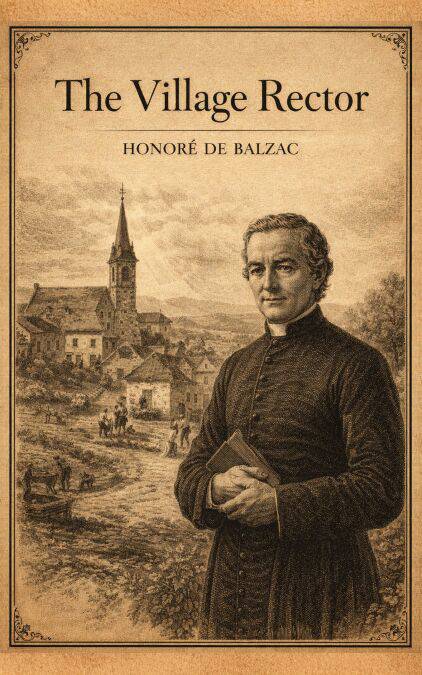
Description
The Village Rector by Honoré de Balzac is a powerful and reflective novel that explores guilt, redemption, faith, and the transformative power of moral leadership. Set in rural France during the early 19th century, this deeply philosophical work—originally published as Le Curé de village—forms part of Balzac's monumental literary cycle, La Comédie Humaine. Through its richly drawn characters and spiritual themes, the novel offers a profound meditation on justice, repentance, and social renewal.
At the heart of the story is Véronique Graslin, a woman burdened by a secret from her past that has shaped her destiny. Living in a quiet provincial village, she devotes herself to charitable works and the improvement of the surrounding community. Her efforts bring economic growth and stability to a once-impoverished region, earning her respect and admiration. Yet beneath her calm exterior lies a deep sense of remorse and unresolved suffering.
Guiding and observing this moral landscape is the village rector, a compassionate and thoughtful clergyman whose quiet influence shapes the spiritual life of the community. Through his wisdom and patience, he helps others confront their weaknesses and seek redemption. The rector represents a moral anchor in a world often driven by pride, greed, and ambition.
Balzac masterfully intertwines personal drama with social reform. The novel examines how individual wrongdoing can ripple outward, affecting entire communities, while also affirming the possibility of restoration through sincere repentance and service. As hidden truths come to light, characters must face the consequences of their past choices, leading to moments of emotional reckoning and spiritual awakening.
The rural setting plays a significant role in the narrative. Balzac vividly depicts the rhythms of village life, agricultural labor, and the fragile balance between poverty and prosperity. The transformation of the land mirrors the moral regeneration sought by the characters, reinforcing the novel's central themes of renewal and atonement.
More than a story of personal guilt, The Village Rector is a thoughtful exploration of the relationship between faith and social progress. Balzac suggests that moral leadership—rooted in humility and compassion—can inspire meaningful change within both individuals and communities.
Deeply humane and morally resonant, The Village Rector stands as one of Balzac's most earnest and spiritually reflective works. It invites readers to consider the weight of conscience, the redemptive power of good deeds, and the enduring hope that even the most troubled past can give way to renewal.
At the heart of the story is Véronique Graslin, a woman burdened by a secret from her past that has shaped her destiny. Living in a quiet provincial village, she devotes herself to charitable works and the improvement of the surrounding community. Her efforts bring economic growth and stability to a once-impoverished region, earning her respect and admiration. Yet beneath her calm exterior lies a deep sense of remorse and unresolved suffering.
Guiding and observing this moral landscape is the village rector, a compassionate and thoughtful clergyman whose quiet influence shapes the spiritual life of the community. Through his wisdom and patience, he helps others confront their weaknesses and seek redemption. The rector represents a moral anchor in a world often driven by pride, greed, and ambition.
Balzac masterfully intertwines personal drama with social reform. The novel examines how individual wrongdoing can ripple outward, affecting entire communities, while also affirming the possibility of restoration through sincere repentance and service. As hidden truths come to light, characters must face the consequences of their past choices, leading to moments of emotional reckoning and spiritual awakening.
The rural setting plays a significant role in the narrative. Balzac vividly depicts the rhythms of village life, agricultural labor, and the fragile balance between poverty and prosperity. The transformation of the land mirrors the moral regeneration sought by the characters, reinforcing the novel's central themes of renewal and atonement.
More than a story of personal guilt, The Village Rector is a thoughtful exploration of the relationship between faith and social progress. Balzac suggests that moral leadership—rooted in humility and compassion—can inspire meaningful change within both individuals and communities.
Deeply humane and morally resonant, The Village Rector stands as one of Balzac's most earnest and spiritually reflective works. It invites readers to consider the weight of conscience, the redemptive power of good deeds, and the enduring hope that even the most troubled past can give way to renewal.
Spécifications
Parties prenantes
- Auteur(s) :
- Editeur:
Contenu
- Nombre de pages :
- 332
- Langue:
- Anglais
Caractéristiques
- EAN:
- 9781222272482
- Date de parution :
- 17-02-26
- Format:
- Ebook
- Protection digitale:
- Digital watermarking
- Format numérique:
- ePub


Seulement chez Librairie Club
Cadeau


Les avis
Nous publions uniquement les avis qui respectent les conditions requises. Consultez nos conditions pour les avis.