


- Retrait en 2 heures
- Assortiment impressionnant
- Paiement sécurisé
- Toujours un magasin près de chez vous
- Retrait en 2 heures
- Assortiment impressionnant
- Paiement sécurisé
- Toujours un magasin près de chez vous



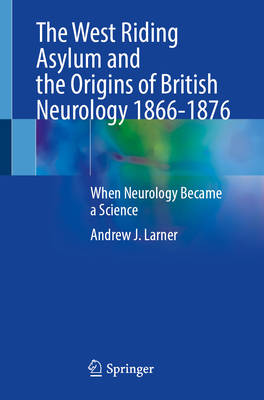
The West Riding Asylum and the Origins of British Neurology 1866-1876
When Neurology Became a Science
Andrew J Larner
Livre broché | Anglais
37,45 €
+ 74 points
Description
Neurology in the United Kingdom has long been defined by its distinctive blend of clinical practice and scientific inquiry. While history of the field often spotlights the National Hospital at Queen Square as its early centre, this book uncovers an equally influential one, that reshapes our understanding of when neurology became a science. Focusing on the decade between 1866 and 1876, it reveals how the West Riding Asylum Pauper Lunatic Asylum in Wakefield helped forge the research foundations of British neurology. Under the dynamic leadership of James Crichton Browne, the Asylum evolved into a pioneering hub of investigation. A dedicated pathological laboratory, new research-focused staffing structures, and the creation of the West Riding Lunatic Asylum Medical Reports fostered a vibrant culture of experimentation and publication. Annual medical conversazione further extended the institution's reach, drawing in external physicians and engaging the wider medical community. In contrast to Queen Square's exclusively clinical orientation during the same period, the West Riding Asylum championed a model in which research was integral to neurological understanding. Bringing these developments together, this book reframes the intertwined histories of neurology and psychiatry, positioning the West Riding Asylum as a crucial--yet underappreciated--site in the scientific origins of the discipline.
Spécifications
Parties prenantes
- Auteur(s) :
- Editeur:
Contenu
- Nombre de pages :
- 448
- Langue:
- Anglais
Caractéristiques
- EAN:
- 9783032125903
- Date de parution :
- 06-02-26
- Format:
- Livre broché
- Format numérique:
- Trade paperback (VS)
- Dimensions :
- 157 mm x 236 mm
- Poids :
- 811 g


Seulement chez Librairie Club
+ 74 points sur votre carte client de Librairie Club
Cadeau


Les avis
Nous publions uniquement les avis qui respectent les conditions requises. Consultez nos conditions pour les avis.