


- Retrait en 2 heures
- Assortiment impressionnant
- Paiement sécurisé
- Toujours un magasin près de chez vous
- Retrait en 2 heures
- Assortiment impressionnant
- Paiement sécurisé
- Toujours un magasin près de chez vous



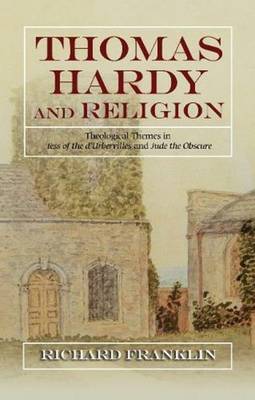
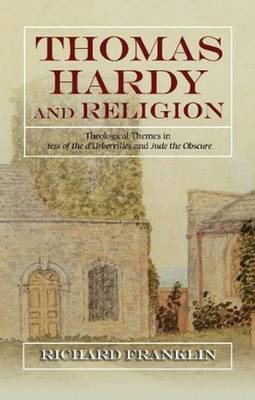
Thomas Hardy and Religion
Theological Themes in Tess of the d'Urbervilles and Jude the Obscure
Franklin
Livre relié | Anglais
132,95 €
+ 265 points
Format
Description
The wellspring of Thomas Hardy and Religion is the recognition that Thomas Hardy's two late great novels, Tess of the d'Urbervilles and Jude the Obscure, are dominated, respectively, by two religious traditions of nineteenth-century Anglicanism: Evangelicalism and Anglo-Catholicism. Placing those movements in their historical context alongside other Victorian religious traditions, the author explores the development of Hardy's religious beliefs and ideas up till the 1880s. Evangelicalism in Tess is discussed through an analysis of the principal characters, Angel Clare and his father, Parson Clare, Alec d'Urberville and Tess herself, leading to a consideration of why this form of Christianity looms so large in that novel. Not unexpectedly, the reasons for this are linked to Hardy's personal and intellectual biography, especially his religious upbringing and experience of and involvement in these religious traditions. This applies to both novels. The sources of Jude the Obscure in Hardy's life and thought, and their links to Anglo-Catholicism, are revealed in the context of the influence of that tradition on the narrative and characters, in particular Jude's sense of vocation, the importance of the university town of Christminster and issues associated with marriage, divorce and sexuality. Throughout his analysis of both novels the author demonstrates how Hardy lambasts the way in which these religious traditions and the conventional Victorian morality they bolstered undermine human flourishing. Thomas Hardy and Religion concludes by considering the place these two novels have in the continuing trajectory of Hardy's theological ideas, underlining the critical importance of understanding his religious concerns and reflecting on the way in which his critique of religion is important to people of faith.
Spécifications
Parties prenantes
- Auteur(s) :
- Editeur:
Contenu
- Nombre de pages :
- 200
- Langue:
- Anglais
Caractéristiques
- EAN:
- 9781789761399
- Date de parution :
- 07-06-21
- Format:
- Livre relié
- Format numérique:
- Genaaid
- Dimensions :
- 152 mm x 229 mm
- Poids :
- 408 g


Seulement chez Librairie Club
+ 265 points sur votre carte client de Librairie Club
Cadeau


Les avis
Nous publions uniquement les avis qui respectent les conditions requises. Consultez nos conditions pour les avis.