


- Retrait en 2 heures
- Assortiment impressionnant
- Paiement sécurisé
- Toujours un magasin près de chez vous
- Retrait gratuit dans votre magasin Club
- 7.000.0000 titres dans notre catalogue
- Payer en toute sécurité
- Toujours un magasin près de chez vous



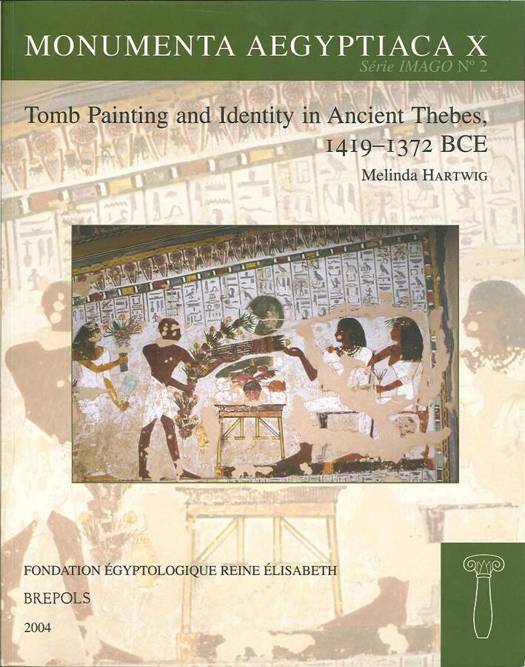
Description
Tomb Painting and Identity in Ancient Thebes, 1419-1372 BCE examines the style, iconography, and symbolism of painting in all extant private Theban tomb chapels decorated during the reigns of Thutmose IV and Amenhotep III. The book studies the ways in which pictorial imagery functioned on behalf of the dead in the afterlife, presented their identity to the living, and revealed underlying religious developments with important societal implications. Various aspects of the pre-Amarna Theban tomb are explored, from the tomb's purpose as a creative and commemorative vehicle for the deceased to the placement and functional properties of its imagery. The book also discusses the different styles of painting in the chapels of state and religious officials and how these styles reveal workshop organization and "patronage" practices in Thebes. The majority of the book is dedicated to the iconography of the functioning image in the tomb chapel, its reception, and its purpose as a bridge between what was represented and what was signified, between the mundane and the sacred, and between the living and the dead. Particular attention is paid to the iconography on the "western" back walls of the transverse hall in T-shaped tomb chapels, walls that held aesthetic, cultic, and symbolic significance to the ancient Egyptians. On these walls as well as the northern or southern long wall in rectangular tomb chapels, iconography and text commemorated the deceased's personal and professional identity, projected this identity into the hereafter, and contained key components for the tomb owner's rebirth. The eternal well-being of the deceased was secured through the iconography of gift giving that also mirrored religious trends that permeated society. Tomb Painting and Identity in Ancient Thebes, 1419-1372 BCE addresses Theban tomb painting and its underlying creative and commemorative properties as a medium of regeneration, preservation, and display on behalf of the tomb owner and the world of which he was a part.
Spécifications
Parties prenantes
- Auteur(s) :
- Editeur:
Contenu
- Nombre de pages :
- 287
- Langue:
- Anglais
- Collection :
- Tome:
- n° 10
Caractéristiques
- EAN:
- 9782503513157
- Date de parution :
- 12-11-04
- Format:
- Livre broché
- Format numérique:
- Trade paperback (VS)
- Dimensions :
- 218 mm x 277 mm
- Poids :
- 975 g


Seulement chez Librairie Club
+ 137 points sur votre carte client de Librairie Club
Cadeau

Cadeau


Les avis
Nous publions uniquement les avis qui respectent les conditions requises. Consultez nos conditions pour les avis.