


- Retrait en 2 heures
- Assortiment impressionnant
- Paiement sécurisé
- Toujours un magasin près de chez vous
- Retrait en 2 heures
- Assortiment impressionnant
- Paiement sécurisé
- Toujours un magasin près de chez vous



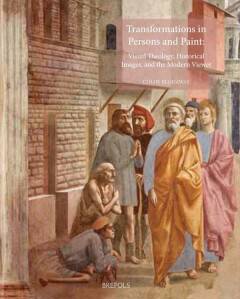
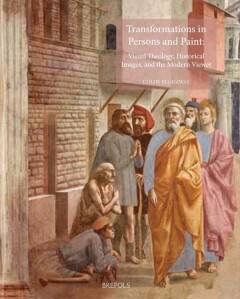
Transformations in Persons and Paint
Visual Theology, Historical Images, and the Modern Viewer
Chloe Reddaway
159,00 €
+ 318 points
Description
How can pictures help people to relate to God, and what can historical Christian images offer the viewer today? A compelling theological encounter between Renaissance frescoes and the modern viewer. Transformations in Persons and Paint looks at images from the viewer's position, standing in a series of Florentine chapels, surrounded by frescoes, and discovering their powerful capacity to communicate what it means to live in a post-Resurrection world. Proving that there is still plenty to say about works by Giotto, Taddeo Gaddi, Masolino, Masaccio, Fra Angelico, and Ghirlandaio, this book uncovers previously overlooked theological content, and demonstrates the rewards of attentive interaction between a modern viewer and historical images. Within the growing body of work on theology and the arts, this is a rare example of what can happen when a theological gaze is turned towards some of the classics in the canon of Christian art, while speaking directly to the modern viewer. Chloe Reddaway offers a new model of theological viewing, inhabiting both period and modern perspectives, and reinvigorating our understanding of the incarnational nature of Christian art by taking account of the particular physicality of images, especially as it is experienced through sacred space within and around them. Through close and imaginative encounters with images, a series of critical-devotional interpretations transforms beautiful artefacts into living explorations of the Incarnation and its consequences, the transformation and transfiguration that it enables, the particularity and interconnectedness of the created world, the generative capacity of liminal and (apparently) empty spaces, and the nature of vocation and conformity to Christ.
Spécifications
Parties prenantes
- Auteur(s) :
- Editeur:
Contenu
- Nombre de pages :
- 299
- Langue:
- Anglais
- Collection :
- Tome:
- n° 1
Caractéristiques
- EAN:
- 9782503565545
- Date de parution :
- 04-02-16
- Format:
- Livre relié
- Format numérique:
- Genaaid
- Dimensions :
- 224 mm x 284 mm
- Poids :
- 1564 g


Seulement chez Librairie Club
+ 318 points sur votre carte client de Librairie Club
Cadeau


Les avis
Nous publions uniquement les avis qui respectent les conditions requises. Consultez nos conditions pour les avis.