


- Retrait en 2 heures
- Assortiment impressionnant
- Paiement sécurisé
- Toujours un magasin près de chez vous
- Retrait en 2 heures
- Assortiment impressionnant
- Paiement sécurisé
- Toujours un magasin près de chez vous



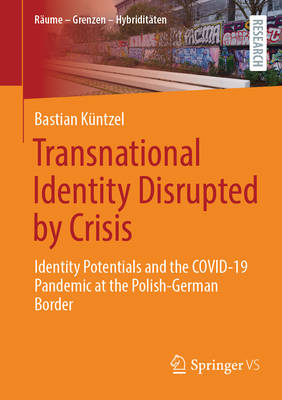
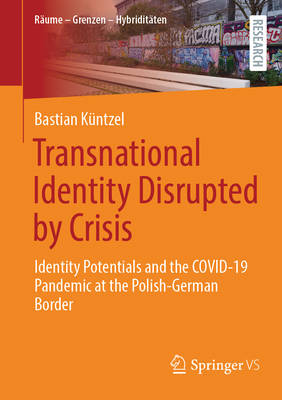
Transnational Identity Disrupted by Crisis
Identity Potentials and the Covid-19 Pandemic at the Polish-German Border
Bastian Küntzel
92,45 €
+ 184 points
Description
This study examines how transnational identity is lived and experienced at the Polish-German border, and how the COVID-19 pandemic border closure in spring 2020 affected it. Through 32 qualitative interviews with people living and working across this border, the research reveals four distinct "transborder phenotypes" differentiated by the benefits or disadvantages they derive from transborder life and their emotional/ideological involvement with the transnational. The study demonstrates that transnational identity is a real, consciously lived experience strongly associated with Europe as a daily reality. It introduces a new conceptual framework, "identity potentials", for understanding the complex, dynamic, and contextually embedded nature of identity formation at borders and beyond.
Spécifications
Parties prenantes
- Auteur(s) :
- Editeur:
Contenu
- Nombre de pages :
- 155
- Langue:
- Anglais
- Collection :
Caractéristiques
- EAN:
- 9783658517014
- Date de parution :
- 10-06-26
- Format:
- Livre broché
- Format numérique:
- Trade paperback (VS)
- Dimensions :
- 148 mm x 210 mm


Seulement chez Librairie Club
+ 184 points sur votre carte client de Librairie Club
Cadeau


Les avis
Nous publions uniquement les avis qui respectent les conditions requises. Consultez nos conditions pour les avis.