


- Retrait en 2 heures
- Assortiment impressionnant
- Paiement sécurisé
- Toujours un magasin près de chez vous
- Retrait en 2 heures
- Assortiment impressionnant
- Paiement sécurisé
- Toujours un magasin près de chez vous



34,95 €
+ 69 points
Description
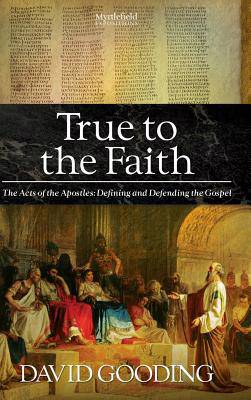
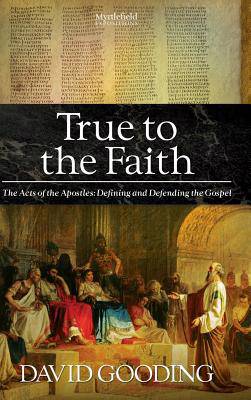
The Acts of the Apostles is about more than the spread of the gospel to the ends of the earth. By the time the ascended Christ had sent the Holy Spirit to guide his disciples, they had no doubt what the basics of the gospel message were: that Christ died for our sins, was buried and rose again the third day and would one day come again. But, according to Luke's account, difficult questions and challenges arose for the apostles as they began to spread this message. These questions, when once settled by the apostles, would further define the gospel with answers that are definitive for us today. By carefully tracing Luke's presentation of the historical material, David Gooding shows us that Luke has arranged his historical material into six sections, each containing a set of issues and a dominant question that confronted the church: - Was the gospel to be under the authority of the Jewish Sanhedrin, even when they called into question the deity and messiahship of Jesus? - Would the temple and its entire system of worship become obsolete because of Christ's sacrifice at Calvary, as Stephen claimed? - What would God do when the observance of his own food laws became a barrier to preaching the gospel to Gentiles such as Cornelius? - How would the apostles decide about the rite of circumcision and its relationship to salvation? - How would the gospel distinguish itself from the spiritism, idolatry, religions and philosophies of the pagan world and state positively its own answer to questions of the origin of the universe and life's ultimate goal? - And how would Paul defend the gospel at the highest levels of society, against every kind of misrepresentation, when he found himself under the power of Roman law and order? The conclusions that the apostles and the early churches reached under the guidance of the Holy Spirit are profoundly relevant. Their defence against each new challenge confirmed the truth of the gospel for every generation of Christ's disciples. David Gooding's exposition echoes Acts' powerful, unspoken exhortation to examine ourselves honestly to see whether the Christianity that we represent and the gospel that we preach and defend are uncompromisingly the same as those established by the apostles of our Lord Jesus Christ.
Spécifications
Parties prenantes
- Auteur(s) :
- Editeur:
Contenu
- Nombre de pages :
- 582
- Langue:
- Anglais
Caractéristiques
- EAN:
- 9781874584308
- Date de parution :
- 01-08-13
- Format:
- Livre relié
- Format numérique:
- Genaaid
- Dimensions :
- 152 mm x 229 mm
- Poids :
- 938 g


Seulement chez Librairie Club
+ 69 points sur votre carte client de Librairie Club
Cadeau


Les avis
Nous publions uniquement les avis qui respectent les conditions requises. Consultez nos conditions pour les avis.