


- Retrait en 2 heures
- Assortiment impressionnant
- Paiement sécurisé
- Toujours un magasin près de chez vous
- Retrait en 2 heures
- Assortiment impressionnant
- Paiement sécurisé
- Toujours un magasin près de chez vous



305,45 €
+ 610 points
Passer une commande en un clic
Payer en toute sécurité


Livraison en Belgique: 3,99 €
Livraison en magasin gratuite
Description
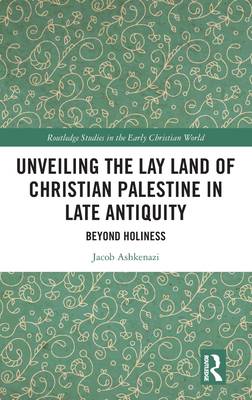
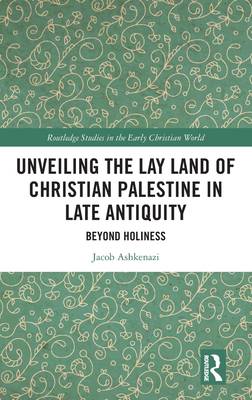
How did Late Antique Palestine sustain its identity as the Christian Holy Land? Through close examination of the built environment, this book offers a new understanding of Palestine's socio-religious landscape in Late Antiquity that extends beyond the region's monumental pilgrimage sites and imperial sacred geography.
This volume contrasts the widely recognised Holy Land - the landscape of pilgrimage, imperial patronage, and ecclesiastical authority - with the Lay Land: the material terrain of monasteries, rural estates, urban churches, and household shrines through which sacred authority was enacted and contested. Through Bourdieuan analysis and exploration of rich archaeological, epigraphic, and hagiographic evidence, the book traces how religious authority was accumulated through practical decisions about land, labour, commemoration, and community organisation. Sacred geography emerged not through theological decree alone but through the accumulated investments of diverse actors - ecclesiastic authorities, pilgrimage, monasticism, local elites, aristocratic patrons, civic officials, and rural communities who competed and collaborated within Palestine's contested landscape. This volume argues for a more comprehensive approach to Palestine's historical and cultural development in Late Antiquity, one that accounts for both the holy and the lay dimensions of the land.
This book is suitable for students and scholars of Late Antiquity, Byzantine Studies, material religion, and the social history of Christianity.
Spécifications
Parties prenantes
- Auteur(s) :
- Editeur:
Contenu
- Nombre de pages :
- 310
- Langue:
- Anglais
- Collection :
Caractéristiques
- EAN:
- 9781032979366
- Date de parution :
- 20-07-26
- Format:
- Livre relié
- Format numérique:
- Genaaid
- Dimensions :
- 156 mm x 233 mm


Seulement chez Librairie Club
+ 610 points sur votre carte client de Librairie Club
Cadeau

Cadeau


Les avis
Nous publions uniquement les avis qui respectent les conditions requises. Consultez nos conditions pour les avis.