


- Retrait en 2 heures
- Assortiment impressionnant
- Paiement sécurisé
- Toujours un magasin près de chez vous
- Retrait en 2 heures
- Assortiment impressionnant
- Paiement sécurisé
- Toujours un magasin près de chez vous



23,95 €
+ 47 points
Description
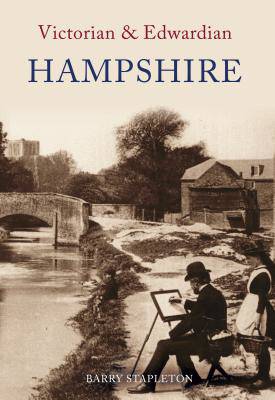
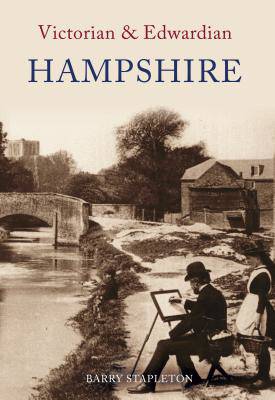
In Victorian and Edwardian times Hampshire, like most counties of England, was a largely rural county, depending on agriculture for much of its income. Across its varied landscape, from the chalk downs to the New Forest and along the valleys of the Itchen, its farms were suffering the fate of most of British agriculture at the time. Farmers were experiencing a serious loss of markets as cheap foreign wheat flowed into the country, following the loss of the protective Corn Laws which, although repealed much earlier in the century, were now having a delayed, and often, terminal effect on many farms that were also suffering from the disastrous harvests of the late 1880s. The poverty and hardship on the land that was the inevitable result of these changes brought about a social revolution that pushed many into seeking alternative employment in the towns. In Hampshire some of them must have looked, perhaps, towards the cathedral city of Winchester and others to the coastal regions, where new industries were flourishing, like the brickworks at Fareham, or to the traditional maritime industries of Portsmouth and Southampton. Using some of the best photographs of the period this book shows Hampshire and its people at work and play, matched with a text made up of extracts from a variety of contemporary sources, including diaries, newspaper cuttings and other Hampshire writing of the time. This attractive combination of word and picture brings vividly to life a glimpse of a period that is only just outside living memory.
Spécifications
Parties prenantes
- Auteur(s) :
- Editeur:
Contenu
- Nombre de pages :
- 144
- Langue:
- Anglais
- Collection :
Caractéristiques
- EAN:
- 9781848680289
- Date de parution :
- 15-10-08
- Format:
- Livre broché
- Format numérique:
- Trade paperback (VS)
- Dimensions :
- 172 mm x 248 mm
- Poids :
- 339 g


Seulement chez Librairie Club
+ 47 points sur votre carte client de Librairie Club
Cadeau


Les avis
Nous publions uniquement les avis qui respectent les conditions requises. Consultez nos conditions pour les avis.