


- Retrait en 2 heures
- Assortiment impressionnant
- Paiement sécurisé
- Toujours un magasin près de chez vous
- Retrait en 2 heures
- Assortiment impressionnant
- Paiement sécurisé
- Toujours un magasin près de chez vous



116,60 €
+ 233 points
Description
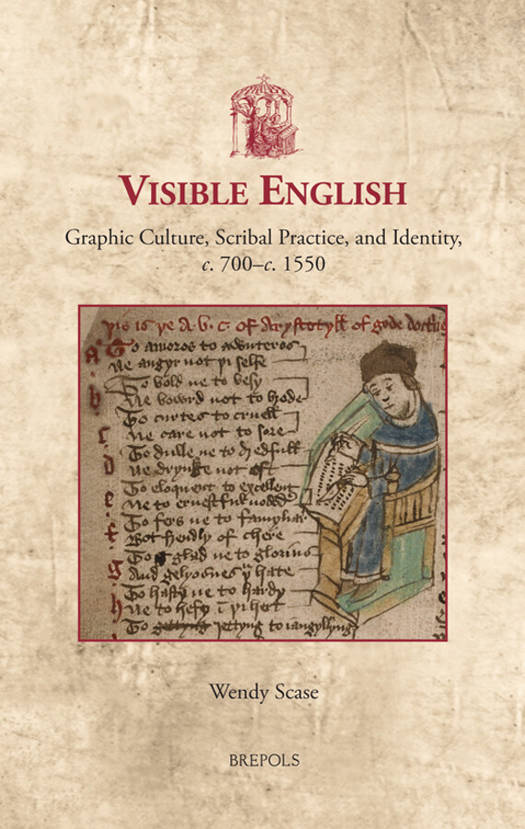
Visible English recovers for the first time the experience of reading and writing the English language in the medieval period through the perspectives of littera pedagogy, the basis of medieval learning and teaching of literate skills in Latin. Littera is at the heart of the set of theories and practices that constitute the 'graphic culture' of the book's title. The book shows for the first time that littera pedagogy was an 'us and them' discourse that functioned as a vehicle for identity formation. Using littera pedagogy as a framework for understanding the medieval English-language corpus from the point of view of the readers and writers who produced it, Visible English offers new insights on experiences of writing and reading English in communities ranging from those first in contact with Latin literacy to those where print was an alternative to manuscript. Discussing a broad range of materials from so-called 'pen-trials' and graffiti to key literary manuscripts, Visible English provides new perspectives on the ways that the alphabet was understood, on genres such as alphabet poems, riddles, and scribal signatures, and on the different ways in which scribes copied Old and Middle English texts. It argues that the graphic culture underpinned and transmitted by littera pedagogy provided frameworks for the development and understanding of English-language literacy practices and new ways of experiencing social belonging and difference. To be literate in English, it proposes, was to inhabit identities marked by Anglophone literate practices.
Spécifications
Parties prenantes
- Auteur(s) :
- Editeur:
Contenu
- Nombre de pages :
- 427
- Langue:
- Anglais
- Collection :
- Tome:
- n° 54
Caractéristiques
- EAN:
- 9782503598420
- Date de parution :
- 20-10-22
- Format:
- Livre relié
- Format numérique:
- Genaaid
- Dimensions :
- 160 mm x 236 mm
- Poids :
- 725 g


Seulement chez Librairie Club
+ 233 points sur votre carte client de Librairie Club
Cadeau


Les avis
Nous publions uniquement les avis qui respectent les conditions requises. Consultez nos conditions pour les avis.