


- Retrait en 2 heures
- Assortiment impressionnant
- Paiement sécurisé
- Toujours un magasin près de chez vous
- Retrait en 2 heures
- Assortiment impressionnant
- Paiement sécurisé
- Toujours un magasin près de chez vous



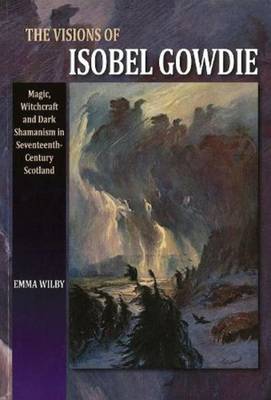
Visions of Isobel Gowdie
Magic, Witchcraft and Dark Shamanism in Seventeenth-Century Scotland
Wilby
Livre broché | Anglais
59,45 €
+ 118 points
Description
The confessions of Isobel Gowdie are widely recognised as the most extraordinary on record in Britain. Their descriptive power and vivid imagery have attracted considerable interest on both academic and popular levels. Among historians, the confessions are celebrated for providing a unique insight into the way fairy beliefs and witch beliefs interacted in the early modern mind; more controversially, they are also cited as evidence for the existence of Shamanistic visionary traditions, of pre-Christian origin, in Scotland in this period. On a popular level the confessions of Isobel Gowdie have, above any other British witch-trial records, influenced the formation of the ritual traditions of Wicca. The author's discovery of the original trial records (currently being authenticated by the National Archives of Scotland), deemed lost for nearly 200 years, provides a starting point for an interdisciplinary look at the confessions and the woman behind them. Using historical, psychological, comparative religious and anthropological perspectives this book sets out to separate the voice of Isobel Gowdie from that of her interrogators, and to determine the experiences and beliefs which may have generated her confessions. The book explores: How far did those accused of witchcraft self-consciously practice harmful magic? Did they really believe themselves to have made a Pact with an envisioned Devil? Did they ever participate in ecstatic cult rituals? The author argues that close analysis of Isobel's testimony supports the view that in seventeenth-century Britain popular spirituality was shaped by a deep interaction between Christian teachings and shamanistic visionary traditions, of pre-Christian origin. These findings confirm the value of witchcraft confessions as unique windows into the complexities of the early modern religious imagination.
Spécifications
Parties prenantes
- Auteur(s) :
- Editeur:
Contenu
- Nombre de pages :
- 604
- Langue:
- Anglais
Caractéristiques
- EAN:
- 9781845191801
- Date de parution :
- 04-06-10
- Format:
- Livre broché
- Format numérique:
- Trade paperback (VS)
- Dimensions :
- 168 mm x 241 mm
- Poids :
- 1111 g


Seulement chez Librairie Club
+ 118 points sur votre carte client de Librairie Club
Cadeau


Les avis
Nous publions uniquement les avis qui respectent les conditions requises. Consultez nos conditions pour les avis.