


- Retrait en 2 heures
- Assortiment impressionnant
- Paiement sécurisé
- Toujours un magasin près de chez vous
- Retrait en 2 heures
- Assortiment impressionnant
- Paiement sécurisé
- Toujours un magasin près de chez vous



21,96 €
+ 21 points
Description
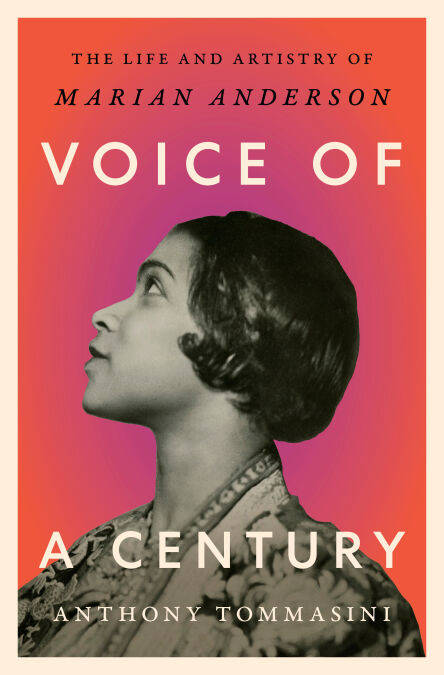
From the New York Times’s former chief classical music critic, a tribute to one of the great singers of modern times and a national treasure who broke racial barriers
The night before Marian Anderson performed her historic concert at the Lincoln Memorial, she called her manager with grave doubts. What had started as a plan to sing a recital in Washington’s largest concert hall had turned, she feared, into a protest rally after she was barred from appearing on the venue’s whites-only stage. The next day a crowd of seventy-five thousand flocked there to see her perform on Easter Sunday, 1939, before the monument of freedom itself. This was a major triumph for racial justice, but Anderson worried it would overshadow the rest of her inimitable career.
In this rich new portrait, Anthony Tommasini brings his decades of musical expertise to bear upon Anderson’s artistry, the journey of her life, and conversations about her legacy. After her breakout early performances in Europe, she gripped international audiences with her masterful renditions of Handel arias, German lieder, Scandinavian songs, and Negro spirituals: bold programming for her time. But recognition was harder to achieve at home. Though celebrated for her rich, lustrous voice and insightful artistry, Anderson had to contend with hotels and restaurants that turned her away in the very cities where she appeared in concert to acclaim. These tribulations brought forth memorable shows of goodwill—Eleanor Roosevelt fought the Daughters of the American Revolution in her honor; Albert Einstein housed her in Princeton—but were representative of the fierce racism Anderson faced. Still, she became one of the most respected and successful artists of her time and famously broke the color barrier for singers at the Metropolitan Opera in 1955.
As Arturo Toscanini famously said after attending one of Anderson's performances: “What I heard today one is privileged to hear only once in a hundred years.” Now, we get to experience this again, in the context of Anderson’s dignified leadership, authenticity, and majestic presence.
The night before Marian Anderson performed her historic concert at the Lincoln Memorial, she called her manager with grave doubts. What had started as a plan to sing a recital in Washington’s largest concert hall had turned, she feared, into a protest rally after she was barred from appearing on the venue’s whites-only stage. The next day a crowd of seventy-five thousand flocked there to see her perform on Easter Sunday, 1939, before the monument of freedom itself. This was a major triumph for racial justice, but Anderson worried it would overshadow the rest of her inimitable career.
In this rich new portrait, Anthony Tommasini brings his decades of musical expertise to bear upon Anderson’s artistry, the journey of her life, and conversations about her legacy. After her breakout early performances in Europe, she gripped international audiences with her masterful renditions of Handel arias, German lieder, Scandinavian songs, and Negro spirituals: bold programming for her time. But recognition was harder to achieve at home. Though celebrated for her rich, lustrous voice and insightful artistry, Anderson had to contend with hotels and restaurants that turned her away in the very cities where she appeared in concert to acclaim. These tribulations brought forth memorable shows of goodwill—Eleanor Roosevelt fought the Daughters of the American Revolution in her honor; Albert Einstein housed her in Princeton—but were representative of the fierce racism Anderson faced. Still, she became one of the most respected and successful artists of her time and famously broke the color barrier for singers at the Metropolitan Opera in 1955.
As Arturo Toscanini famously said after attending one of Anderson's performances: “What I heard today one is privileged to hear only once in a hundred years.” Now, we get to experience this again, in the context of Anderson’s dignified leadership, authenticity, and majestic presence.
Spécifications
Parties prenantes
- Auteur(s) :
- Editeur:
Contenu
- Nombre de pages :
- 352
- Langue:
- Anglais
- Collection :
Caractéristiques
- EAN:
- 9780593652688
- Date de parution :
- 07-09-26
- Format:
- Ebook
- Protection digitale:
- Adobe DRM
- Format numérique:
- ePub



Seulement chez Librairie Club
+ 21 points sur votre carte client de Librairie Club
Cadeau


Les avis
Nous publions uniquement les avis qui respectent les conditions requises. Consultez nos conditions pour les avis.