


En raison d'une grève chez bpost, votre colis sera expédié par GLS afin d’assurer une livraison dans les meilleurs délais.
- Retrait en 2 heures
- Assortiment impressionnant
- Paiement sécurisé
- Toujours un magasin près de chez vous
En raison d'une grève chez bpost, votre colis sera expédié par GLS afin d’assurer une livraison dans les meilleurs délais.
- Retrait en 2 heures
- Assortiment impressionnant
- Paiement sécurisé
- Toujours un magasin près de chez vous



1,99 €
+ 1 points
Description
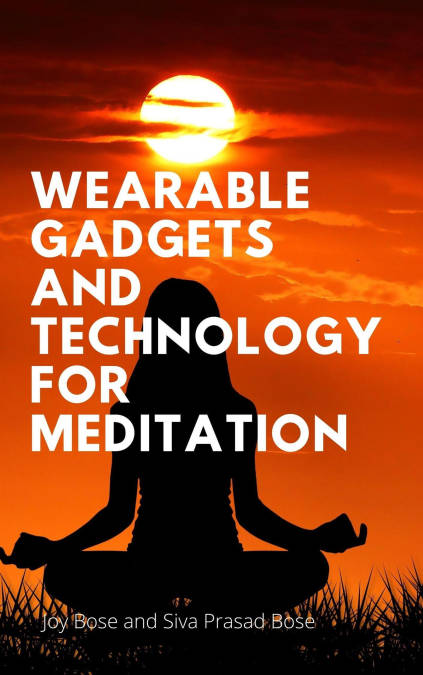
Meditation has been practised for thousands of years. Now, advances in neuroscience, wearable technology, and artificial intelligence are creating an entirely new toolkit for supporting and understanding it: EEG headbands that translate brainwave patterns into real-time feedback, tDCS devices that prime the brain for focus, AI systems that generate personalised guided sessions on demand.
This book is written from an unusual vantage point. The primary author holds a PhD in computer science, published peer-reviewed research on EEG-based attention detection at Samsung R&D, and has practiced Buddhist meditation for over twenty years across more than a dozen traditions, with primary training in the Nyingma Tibetan lineage. That combination of technical background and serious practice experience shapes every chapter: the devices are evaluated not just for what they measure but for whether what they measure corresponds to anything meaningful in actual practice.
Technologies and devices covered include EEG-based meditation headbands including the Muse and NeuroSky MindWave, with a detailed account of how brainwave biofeedback works and where it misleads; biofeedback wearables for heart rate variability and coherence training; smart rings and HRV trackers; tDCS neurostimulation devices and their effects on attention and mood; the Shiva helmet; lucid dreaming devices; meditation lamps and flotation tanks; binaural beats, PEMF, and frequency-based relaxation technology; meditation apps from Insight Timer and Headspace to the new wave of AI-powered apps that generate unique sessions from user input; LLM-based meditation companions that can coach, reflect, and adapt in real time; VR meditation environments, smart home integration, and digital minimalism. Traditional frameworks including Vipassana, the Jhana stages, Zen, Yogic dhyana, Mahamudra, and Dzogchen are discussed alongside the technology, with honest assessment of where the devices fit within these systems and where they do not.
The book also includes a chapter on the legal and regulatory landscape: who owns the psychological data these devices collect, how companies avoid medical device classification while making health-adjacent claims, and what protections users actually have.
Each device is examined practically: what it does, the science behind it, direct experience using it, and honest caveats about its limits. For meditators who want to understand the expanding toolkit of mindfulness technology without losing sight of what practice is actually for, this is a grounded and technically informed guide.
Spécifications
Parties prenantes
- Auteur(s) :
- Editeur:
Contenu
- Langue:
- Anglais
Caractéristiques
- EAN:
- 9798223710707
- Date de parution :
- 07-07-23
- Format:
- Ebook
- Protection digitale:
- Adobe DRM
- Format numérique:
- ePub


Seulement chez Librairie Club
+ 1 points sur votre carte client de Librairie Club
Cadeau


Les avis
Nous publions uniquement les avis qui respectent les conditions requises. Consultez nos conditions pour les avis.