


En raison d'une grève chez bpost, des retards de livraison peuvent survenir. Besoin de quelque chose en urgence ? Optez pour un retrait en magasin ou rendez-vous dans une Librairie Club à proximité.
- Retrait en 2 heures
- Assortiment impressionnant
- Paiement sécurisé
- Toujours un magasin près de chez vous
En raison d'une grève chez bpost, des retards de livraison peuvent survenir. Besoin de quelque chose en urgence ? Optez pour un retrait en magasin ou rendez-vous dans une Librairie Club à proximité.
- Retrait en 2 heures
- Assortiment impressionnant
- Paiement sécurisé
- Toujours un magasin près de chez vous



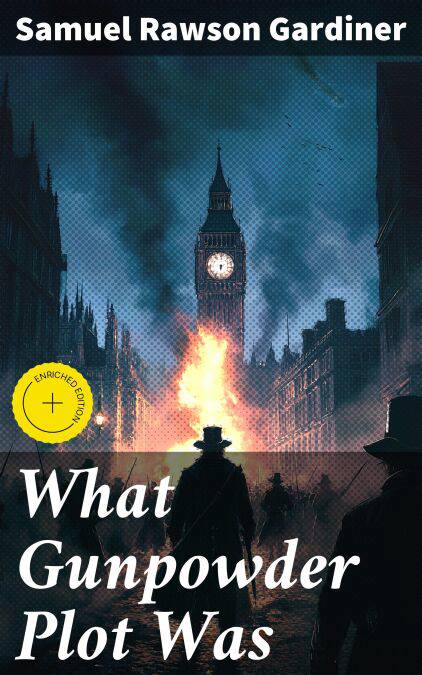
What Gunpowder Plot Was EBOOK
Enriched edition. Unraveling the Intrigues of the Failed 1605 Assassination Plot
Samuel Rawson Gardiner
Ebook | Anglais
1,99 €
+ 1 points
Description
In "What Gunpowder Plot Was," Samuel Rawson Gardiner offers a meticulously researched examination of the infamous 1605 conspiracy aimed at assassinating King James I and destroying the House of Lords. Presented in a scholarly yet accessible style, Gardiner draws upon a wealth of primary sources, weaving a narrative that not only recounts the events leading up to the plot but also situates it within the broader context of religious and political tensions of early 17th-century England. The text delves into the motivations of the conspirators, especially Guy Fawkes, while critically analyzing the societal repercussions of the plot that contributed to the evolving landscape of British governance and public sentiment towards Catholicism. Samuel Rawson Gardiner (1829-1902) was a prominent English historian known for his deep engagement with the political currents of his time. His academic background provided him with a keen insight into the complexities of historical narratives, particularly those surrounding the Tudor and Stuart periods. Gardiner's expertise in 17th-century England, coupled with his commitment to liberal Anglicanism, likely informed his desire to unravel the often mythologized events of the Gunpowder Plot with clarity and scholarly rigor. Gardiner's work is essential for anyone interested in the interplay of religion and politics in early modern England. This book not only enlightens readers about the specifics of the Gunpowder Plot but also invites reflection on the enduring impact of such historical conspiracies on contemporary society. It is an invaluable resource for historians, students, and anyone intrigued by the tumultuous era that shaped modern Britain.
In this enriched edition, we have carefully created added value for your reading experience:
- A succinct Introduction situates the work's timeless appeal and themes.
- The Synopsis outlines the central plot, highlighting key developments without spoiling critical twists.
- A detailed Historical Context immerses you in the era's events and influences that shaped the writing.
- A thorough Analysis dissects symbols, motifs, and character arcs to unearth underlying meanings.
- Reflection questions prompt you to engage personally with the work's messages, connecting them to modern life.
- Hand‐picked Memorable Quotes shine a spotlight on moments of literary brilliance.
- Interactive footnotes clarify unusual references, historical allusions, and archaic phrases for an effortless, more informed read.
In this enriched edition, we have carefully created added value for your reading experience:
- A succinct Introduction situates the work's timeless appeal and themes.
- The Synopsis outlines the central plot, highlighting key developments without spoiling critical twists.
- A detailed Historical Context immerses you in the era's events and influences that shaped the writing.
- A thorough Analysis dissects symbols, motifs, and character arcs to unearth underlying meanings.
- Reflection questions prompt you to engage personally with the work's messages, connecting them to modern life.
- Hand‐picked Memorable Quotes shine a spotlight on moments of literary brilliance.
- Interactive footnotes clarify unusual references, historical allusions, and archaic phrases for an effortless, more informed read.
Spécifications
Parties prenantes
- Auteur(s) :
- Editeur:
Contenu
- Nombre de pages :
- 600
- Langue:
- Anglais
Caractéristiques
- EAN:
- 4064066207540
- Date de parution :
- 24-04-21
- Format:
- Ebook
- Protection digitale:
- Digital watermarking
- Format numérique:
- ePub



Seulement chez Librairie Club
+ 1 points sur votre carte client de Librairie Club
Cadeau


Les avis
Nous publions uniquement les avis qui respectent les conditions requises. Consultez nos conditions pour les avis.