


- Retrait en 2 heures
- Assortiment impressionnant
- Paiement sécurisé
- Toujours un magasin près de chez vous
- Retrait gratuit dans votre magasin Club
- 7.000.0000 titres dans notre catalogue
- Payer en toute sécurité
- Toujours un magasin près de chez vous


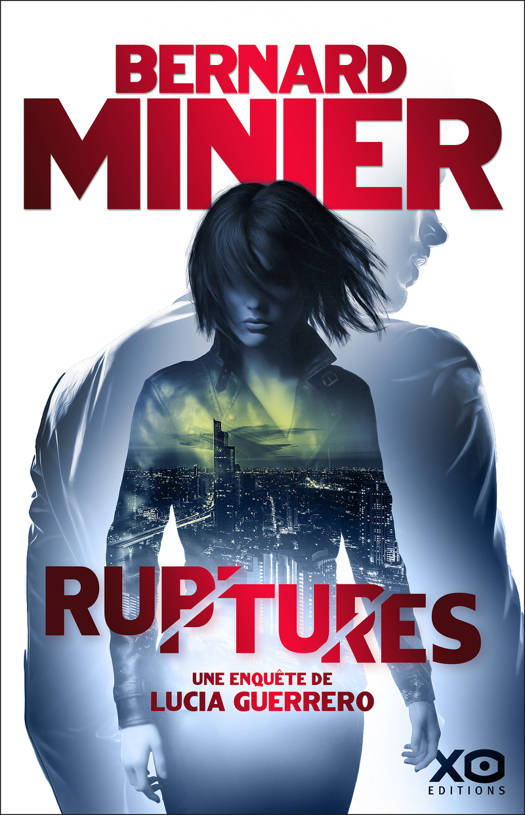
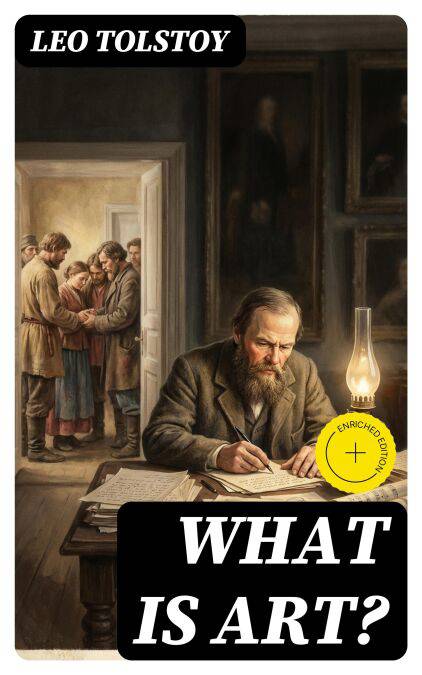
What Is Art? EBOOK
Enriched edition. Including "Wherein Is Truth in Art?"
Leo Tolstoy
Ebook | Anglais
1,99 €
+ 1 points
Format
Description
In "What Is Art?", Leo Tolstoy embarks on a profound exploration of the nature and purpose of art, questioning its societal functions and moral implications. This seminal treatise combines philosophical insight with Tolstoy's distinctive narrative style, marked by clarity and simplicity. He critiques contemporary trends in art, arguing for a more authentic expression of human experience that transcends mere aesthetic pleasure. Positioned within the context of 19th-century Russian thought, the work engages with prevailing notions of beauty and elitism, advocating for art that fosters universal connection and empathy. Tolstoy, a literary giant renowned for masterpieces such as "War and Peace" and "Anna Karenina," was deeply influenced by his personal spiritual journey and commitment to moral values. His disillusionment with the artistic elite, coupled with his yearning for a more genuine and accessible form of expression, prompted him to write this insightful critique. His exploration not only reflects his own artistic philosophy but also his belief in the transformative power of art as a vehicle for social change and human solidarity. Readers fervently interested in the relationship between art and morality will find "What Is Art?" essential. Tolstoy's rigorous yet accessible arguments encourage reflection on the societal responsibilities of both the artist and the audience. This book invites its readers to reconsider their understanding of cultural production, making it a vital addition to the libraries of artists, philosophers, and anyone seeking to grasp the moral dimensions of creativity.
In this enriched edition, we have carefully created added value for your reading experience:
- An Introduction draws the threads together, discussing why these diverse authors and texts belong in one collection.
- Historical Context explores the cultural and intellectual currents that shaped these works, offering insight into the shared (or contrasting) eras that influenced each writer.
- A combined Synopsis (Selection) briefly outlines the key plots or arguments of the included pieces, helping readers grasp the anthology's overall scope without giving away essential twists.
- A collective Analysis highlights common themes, stylistic variations, and significant crossovers in tone and technique, tying together writers from different backgrounds.
- Reflection questions encourage readers to compare the different voices and perspectives within the collection, fostering a richer understanding of the overarching conversation.
In this enriched edition, we have carefully created added value for your reading experience:
- An Introduction draws the threads together, discussing why these diverse authors and texts belong in one collection.
- Historical Context explores the cultural and intellectual currents that shaped these works, offering insight into the shared (or contrasting) eras that influenced each writer.
- A combined Synopsis (Selection) briefly outlines the key plots or arguments of the included pieces, helping readers grasp the anthology's overall scope without giving away essential twists.
- A collective Analysis highlights common themes, stylistic variations, and significant crossovers in tone and technique, tying together writers from different backgrounds.
- Reflection questions encourage readers to compare the different voices and perspectives within the collection, fostering a richer understanding of the overarching conversation.
Spécifications
Parties prenantes
- Auteur(s) :
- Traducteur(s):
- Editeur:
Contenu
- Nombre de pages :
- 250
- Langue:
- Anglais
Caractéristiques
- EAN:
- 8596547397250
- Date de parution :
- 12-11-22
- Format:
- Ebook
- Protection digitale:
- Digital watermarking
- Format numérique:
- ePub


Seulement chez Librairie Club
+ 1 points sur votre carte client de Librairie Club
Cadeau

Cadeau


Les avis
Nous publions uniquement les avis qui respectent les conditions requises. Consultez nos conditions pour les avis.