


En raison d'une grève chez bpost, des retards de livraison peuvent survenir. Besoin de quelque chose en urgence ? Optez pour un retrait en magasin ou rendez-vous dans une Librairie Club à proximité.
- Retrait en 2 heures
- Assortiment impressionnant
- Paiement sécurisé
- Toujours un magasin près de chez vous
En raison d'une grève chez bpost, des retards de livraison peuvent survenir. Besoin de quelque chose en urgence ? Optez pour un retrait en magasin ou rendez-vous dans une Librairie Club à proximité.
- Retrait en 2 heures
- Assortiment impressionnant
- Paiement sécurisé
- Toujours un magasin près de chez vous


5,49 €
+ 5 points
Description
Beverly Walsh knows how to hold the hand of someone dying. She's been doing it for thirty years, working as a hospice nurse in Rockford, Illinois. She knows the right words to say, the exact pressure to use when she holds their fingers, the soft tone that makes fear a little smaller in those final moments.
What Beverly doesn't know anymore is how to live.
She goes through her shifts on autopilot—administering medications, adjusting pillows, whispering comfort to people she'll never see again. Then she drives home to an empty house, eats a frozen dinner in front of the TV, and falls asleep wondering if anyone would notice if she stopped waking up. She's absorbed so much death that somewhere along the way, she forgot she was still alive.
Everything changes when Helen, a dying patient with lung cancer, makes an urgent request: "Bring me my bonsai tree from home. It's not just any plant—it's a rare night-blooming cereus that Helen has tended for years, waiting for it to bloom one final time. The flower only opens at night, and only for a few hours before it dies. If you're not watching, you'll miss it completely."
Beverly brings the plant to Helen's bedside and promises to keep it alive. She knows nothing about plants, but Helen teaches her between morphine doses—how to water it, how to watch for signs, how to wait for something beautiful even when you're dying. As Beverly tends the cereus, checking the tight bud during her rounds, staying late after shifts just to watch, she realizes she's been waiting too. Waiting to die instead of daring to bloom.
The night the flower finally opens, everything Beverly thought she understood about life and death shifts. In the darkness of the hospice room, with the sweet scent of the cereus filling the air, she watches Helen see her miracle. And Beverly finally understands: some of us spend so long caring for others that we forget to care for ourselves. Some of us wait so long to live that we almost miss it.
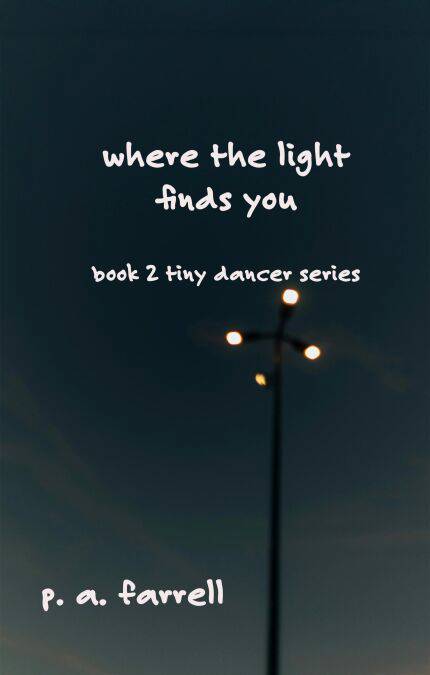
Where the Light Finds You is a quiet, powerful story about a woman who saved everyone but herself—and the dying patient who taught her it's never too late to bloom. Perfect for readers who loved The Unlikely Pilgrimage of Harold Fry and A Man Called Ove, this standalone novel reminds us that hope isn't always loud. Sometimes it's just a single flower opening in the dark, reminding you that you're still here.
Spécifications
Parties prenantes
- Auteur(s) :
- Editeur:
Contenu
- Langue:
- Anglais
- Collection :
Caractéristiques
- EAN:
- 9798232460488
- Date de parution :
- 06-01-26
- Format:
- Ebook
- Protection digitale:
- /
- Format numérique:
- ePub


Seulement chez Librairie Club
+ 5 points sur votre carte client de Librairie Club
Cadeau


Les avis
Nous publions uniquement les avis qui respectent les conditions requises. Consultez nos conditions pour les avis.