


- Retrait en 2 heures
- Assortiment impressionnant
- Paiement sécurisé
- Toujours un magasin près de chez vous
- Retrait en 2 heures
- Assortiment impressionnant
- Paiement sécurisé
- Toujours un magasin près de chez vous



26,45 €
+ 52 points
Description
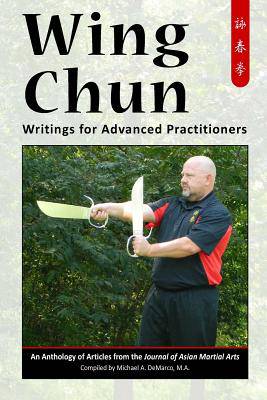
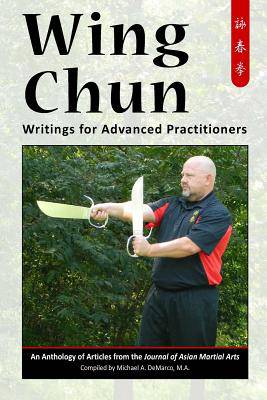
This particular anthology on wing chun features only two authors: Dr. Joyotpaul Chaudhuri and Jeff Webb. Their academic and practical experience bring a rich text for anyone interested in this unique art, famed for its specialized training methods, combative efficiency, and noted associations with Yip Man, Bruce Lee, and the kung fu film industry. Wing chun is a southern Chinese system, so usually terms are written to reflect Cantonese, often using different romanization systems or mixtures of these systems. On top of this hodgepodge, politics among leading wing chun figures have brought preferences for specific spellings to reflect their unique branches in the wing chun evolutionary tree. Because of this, I have not standardized the romanization in this anthology, as it does not greatly effect the reading. In chapter one, Dr. Chaudhuri analyzes the keys to motion in the second empty-hand form of wing chun: the bridge seeking routine. The focus is on the proper maintenance of the body's central axis and its motions, which helps with developing the foundations for delivering power. In the following chapter, Jeff Webb discusses the structure and body mechanics of punching techniques, plus various training methods employed for developing power. Also, punching strategy is shown as the greatest factor in differentiating these punches from those of other styles. Chaudhuri then analyzes the structure and function of the primary stance in wing chun's first form (sil lim tao), which instills the relational structure of bone, ligament, joint, tendon, muscle, line and angle, while also teaching the inner virtues of softness, stillness, sinking and emptiness. The "motherline" is presented in aspects of attack and defense. Two following chapters are by Jeff Webb. The ability to apply martial art techniques at a high rate of speed is essential to overall fighting effectiveness. By looking beyond the physical to the conceptual, he details wing chun's theories that reveal proper timing to be a significant multiplier. His final piece describes both the fundamental and complex methods of "sticking hands" training in detail. It also explains the rationale and theories behind this method as well as discusses a variety of factors that can either improve or retard the acquisition of tactile reflexes. The final two chapters by Chuadhuri and Webb presents some of their favorite techniques. The content of these chapters explain wing chun rationale and unique fighting methods, plus provides logic and advice to benefit the practitioner.
Spécifications
Parties prenantes
- Auteur(s) :
- Editeur:
Contenu
- Nombre de pages :
- 108
- Langue:
- Anglais
Caractéristiques
- EAN:
- 9781893765344
- Date de parution :
- 05-09-16
- Format:
- Livre broché
- Format numérique:
- Trade paperback (VS)
- Dimensions :
- 152 mm x 229 mm
- Poids :
- 154 g


Seulement chez Librairie Club
+ 52 points sur votre carte client de Librairie Club
Cadeau


Les avis
Nous publions uniquement les avis qui respectent les conditions requises. Consultez nos conditions pour les avis.