


- Retrait en 2 heures
- Assortiment impressionnant
- Paiement sécurisé
- Toujours un magasin près de chez vous
- Retrait en 2 heures
- Assortiment impressionnant
- Paiement sécurisé
- Toujours un magasin près de chez vous



63,60 €
+ 127 points
Description
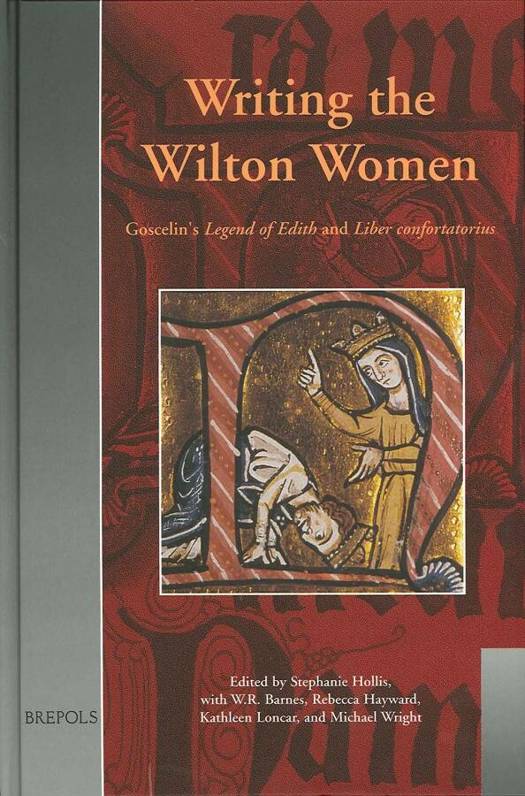
This collection of essays and translations brings together two closely related works by an important but little studied late eleventh-century author, Goscelin of Saint-Bertin. His Liber confortatorius (the earliest work of spiritual instruction for a female recluse known to have been written in England) is addressed to Eve. Goscelin, who may have been a chaplain at Wilton, had been Eve's spiritual mentor since her childhood. Eve, however, left Wilton in her early twenties to become a recluse in Angers without even informing him of her plans, and in the Liber confortatorius, written in the form of an extended letter (c. 1082), Goscelin attempts to reassert and reconfigure their former close relationship. His account of the life and translation of St Edith, who was a member of the Wilton community until her death (in c. 986) at the age of twenty-three, was commissioned by the Wilton nuns and based on their oral report. Completed in c. 1080, the Legend gives a portrait of Edith and her mother Abbess Wulfthryth, and an account of the community's posthumous relationship with its saint up until the time that Goscelin began work on it. It is (with the exception of Goscelin's Life of Wulfhild of Barking) our only near contemporary narrative account of a late Anglo-Saxon women's community. The essays in this collection present a closely integrated account of some of the most central and striking aspects of the two texts. The essays and accompanying translations are the result of a collaborative research project undertaken at The University of Auckland. Contributors: W.R. Barnes, Rebecca Hayward, Kathleen Loncar, and Michael Wright
Spécifications
Parties prenantes
- Auteur(s) :
- Editeur:
Contenu
- Nombre de pages :
- 466
- Langue:
- Anglais
- Collection :
- Tome:
- n° 9
Caractéristiques
- EAN:
- 9782503514369
- Date de parution :
- 01-10-04
- Format:
- Livre relié
- Format numérique:
- Genaaid
- Dimensions :
- 170 mm x 248 mm
- Poids :
- 988 g


Seulement chez Librairie Club
+ 127 points sur votre carte client de Librairie Club
Cadeau


Les avis
Nous publions uniquement les avis qui respectent les conditions requises. Consultez nos conditions pour les avis.