

- Retrait en 2 heures
- Assortiment impressionnant
- Paiement sécurisé
- Toujours un magasin près de chez vous
- Retrait gratuit dans votre magasin Club
- 7.000.0000 titres dans notre catalogue
- Payer en toute sécurité
- Toujours un magasin près de chez vous



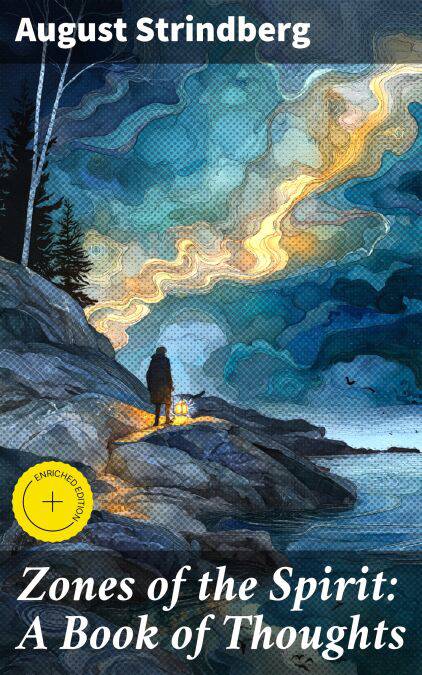
Zones of the Spirit: A Book of Thoughts EBOOK
Enriched edition. Exploring the Depths of the Human Soul: A Philosophical Reflection
August Strindberg
Ebook | Anglais
1,99 €
+ 1 points
Description
In "Zones of the Spirit: A Book of Thoughts," August Strindberg presents an introspective exploration of the human condition, where psychological reflections intertwine with existential musings. This work, characterized by Strindberg's distinctive prose style'—marked by a lyrical yet fragmented narrative'—delves into the realms of spirituality, identity, and the complexities of human emotions. Written during a period of great personal turmoil for the author, the book meshes his aesthetic ideals with philosophical inquiry, creating a mosaic of thoughts that reflect both the chaos of his inner life and the broader currents of 19th-century thought, particularly the influences of Romanticism and early modern existentialism. August Strindberg (1849-1912), a prominent Swedish playwright and novelist, often grappled with themes of isolation and the meaning of existence throughout his career. His personal experiences, including struggles with mental health, tumultuous relationships, and a passionate engagement with religious and philosophical questions, significantly informed his writings. "Zones of the Spirit" emerged from his deeper explorations into the human psyche and the spiritual dilemmas confronting humanity, revealing the layers of his intellectual and emotional landscape. This book is a profound companion for readers interested in the intersection of literature, philosophy, and psychology. Strindberg's candid reflections provide valuable insights into the human experience, inviting readers to ponder their own 'zones of the spirit.' This work will undoubtedly resonate with those who appreciate deep, contemplative literature that challenges conventional perceptions of self and existence.
In this enriched edition, we have carefully created added value for your reading experience:
- A succinct Introduction situates the work's timeless appeal and themes.
- The Synopsis outlines the central plot, highlighting key developments without spoiling critical twists.
- A detailed Historical Context immerses you in the era's events and influences that shaped the writing.
- An Author Biography reveals milestones in the author's life, illuminating the personal insights behind the text.
- A thorough Analysis dissects symbols, motifs, and character arcs to unearth underlying meanings.
- Reflection questions prompt you to engage personally with the work's messages, connecting them to modern life.
- Hand‐picked Memorable Quotes shine a spotlight on moments of literary brilliance.
- Interactive footnotes clarify unusual references, historical allusions, and archaic phrases for an effortless, more informed read.
In this enriched edition, we have carefully created added value for your reading experience:
- A succinct Introduction situates the work's timeless appeal and themes.
- The Synopsis outlines the central plot, highlighting key developments without spoiling critical twists.
- A detailed Historical Context immerses you in the era's events and influences that shaped the writing.
- An Author Biography reveals milestones in the author's life, illuminating the personal insights behind the text.
- A thorough Analysis dissects symbols, motifs, and character arcs to unearth underlying meanings.
- Reflection questions prompt you to engage personally with the work's messages, connecting them to modern life.
- Hand‐picked Memorable Quotes shine a spotlight on moments of literary brilliance.
- Interactive footnotes clarify unusual references, historical allusions, and archaic phrases for an effortless, more informed read.
Spécifications
Parties prenantes
- Auteur(s) :
- Traducteur(s):
- Editeur:
Contenu
- Nombre de pages :
- 231
- Langue:
- Anglais
Caractéristiques
- EAN:
- 4057664621474
- Date de parution :
- 24-11-19
- Format:
- Ebook
- Protection digitale:
- Digital watermarking
- Format numérique:
- ePub


Seulement chez Librairie Club
+ 1 points sur votre carte client de Librairie Club

Les avis
Nous publions uniquement les avis qui respectent les conditions requises. Consultez nos conditions pour les avis.