


- Retrait en 2 heures
- Assortiment impressionnant
- Paiement sécurisé
- Toujours un magasin près de chez vous
- Retrait en 2 heures
- Assortiment impressionnant
- Paiement sécurisé
- Toujours un magasin près de chez vous



58,30 €
+ 116 points
Description
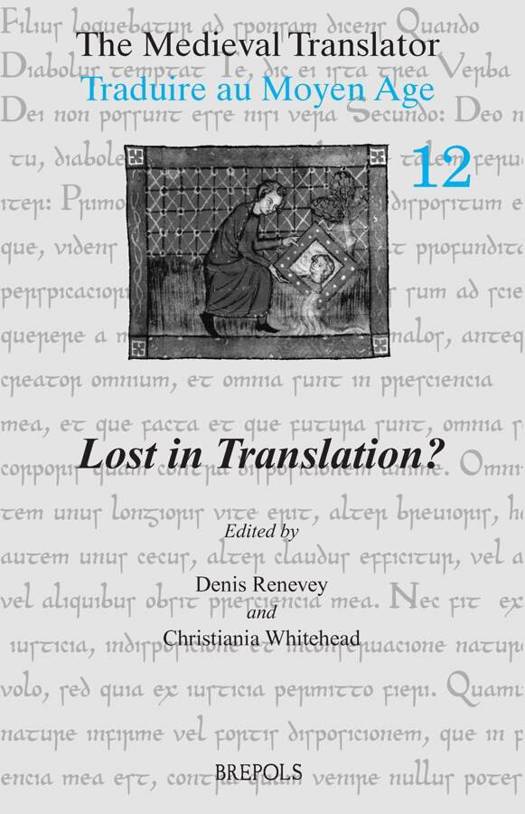
The contributions to this volume are organised in a way that bear out the vitality of translation activity in the medieval period and the resourcefulness of modern scholarship in addressing the phenomenon of translation at large. No other period relies so heavily on this literary process to construct its cultural identity. Translations from Latin into the vernacular, or from one vernacular into another, or even from a vernacular into the Latin language, are just a few of the many forms medieval translation can take. The codification of the translation process as appropriation, transformation, or accommodation does not sufficiently emphasize the overarching curiosity and interest that motivates any translation activity. Rather, preceding the stages of appropriation and re-interpretation, it is positive inquisitiveness and openness towards linguistic and cultural difference that generate the production of a new text and the transference of culture from one sphere to another. Translation practice creates a dialogic exchange between cultures, it recognises difference and diversity, both linguistic and cultural, yet it also shapes its new product for the use of an audience or readership that is concurrently aware of the reciprocal need to participate in that exchange, in order to improve its own culture. It is that positive inquisitiveness which this volume emphasizes. The volume initially addresses the way in which translators dealt with texts from the early medieval period. It then considers the phenomenon of bilingualism and the privileged relationship that England held with the continent, especially the Italian and French literary traditions. The third part of this volume tackles the problem of fifteenth-century religious translation in England and, to a lesser extent, France, and complicates it by showing its inevitable political implications. Understood more particularly as an act of cultural transfer, translation activity can also be considered beyond the linguistic process. The fourth part of the volume deals with several instances of translations from one genre into another, and from one media into another. The contributions to this volume provide some answers to conundrums in the theory and practice of translation encountered during the medieval period. They also point to new ways of considering this literary process, and by praising diversity and difference, they suggest a less traumatic way of reading Babel than is usually implied.
Spécifications
Parties prenantes
- Auteur(s) :
- Editeur:
Contenu
- Nombre de pages :
- 402
- Langue:
- Français
- Collection :
- Tome:
- n° 12
Caractéristiques
- EAN:
- 9782503531397
- Date de parution :
- 12-02-10
- Format:
- Livre broché
- Format numérique:
- Trade paperback (VS)
- Dimensions :
- 150 mm x 229 mm
- Poids :
- 657 g


Seulement chez Librairie Club
+ 116 points sur votre carte client de Librairie Club
Cadeau


Les avis
Nous publions uniquement les avis qui respectent les conditions requises. Consultez nos conditions pour les avis.